
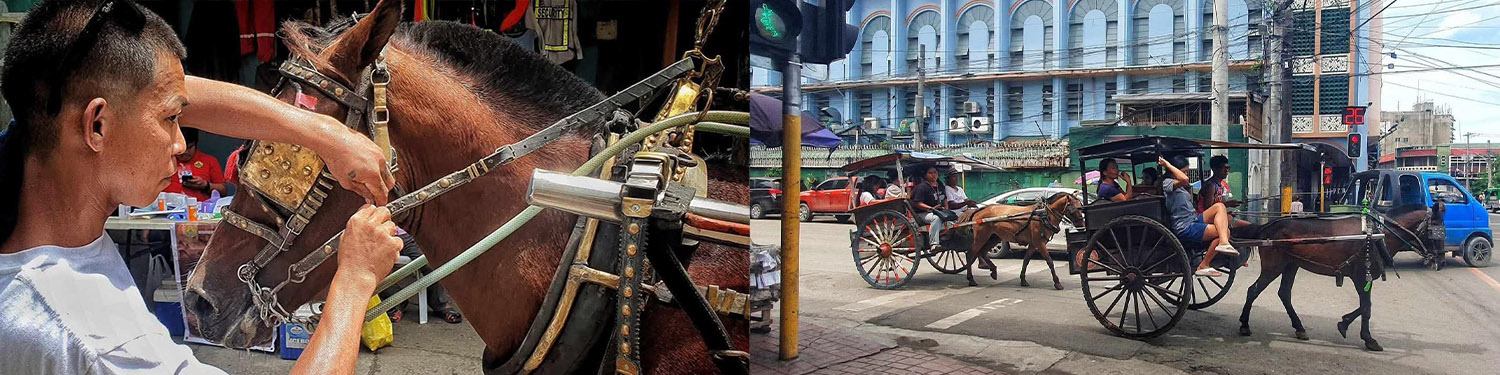
Tartanilla: A Defiant Symbol of Heritage, Culture, and Community
Written by Roy Ingente
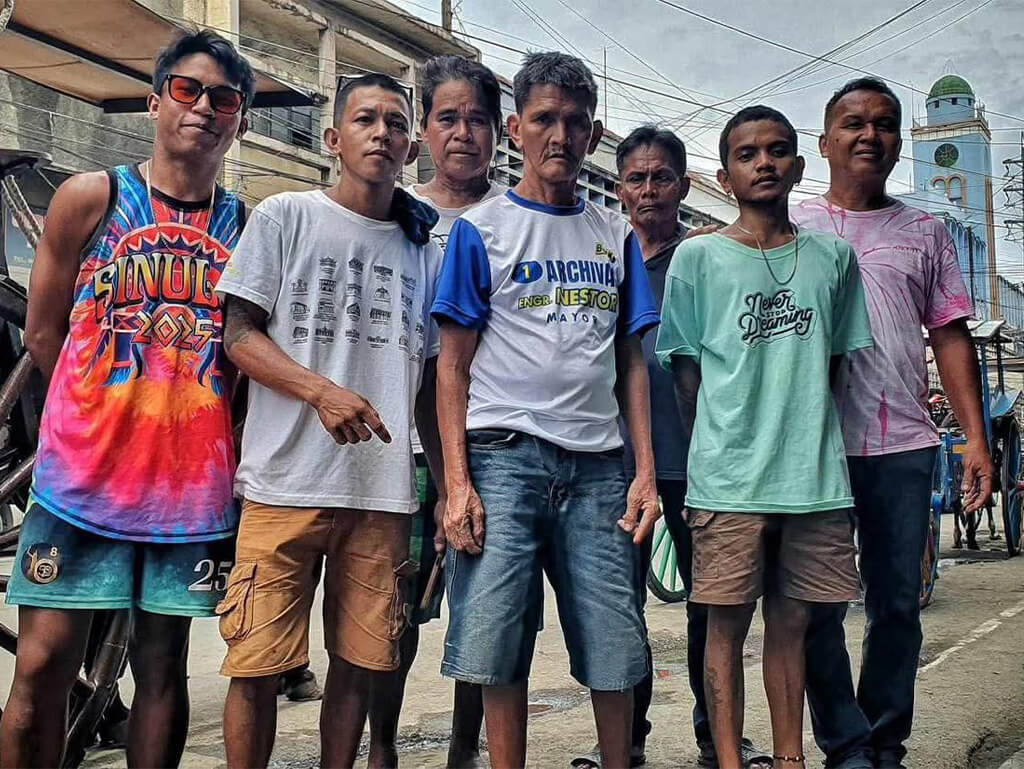
Amidst the relentless tide of modernization sweeping across urban centers, the tartanilla stands tall as a captivating emblem of continuity and resilience in Cebu City—a dynamic artifact that forges an unbreakable connection between the memories of the past-- and the realities of the present. This charming horse-drawn carriage, with its picturesque silhouette and gentle clip-clop of hooves, gracefully traverses the vibrant urban landscape, serving as a testament to Cebu’s remarkable ability to adapt to the winds of change while steadfastly honoring its rich cultural identities. In the rich tapestry of Cebu's heritage, the tartanilla, along with its devoted caretakers known as kutseros, plays an indispensable role.
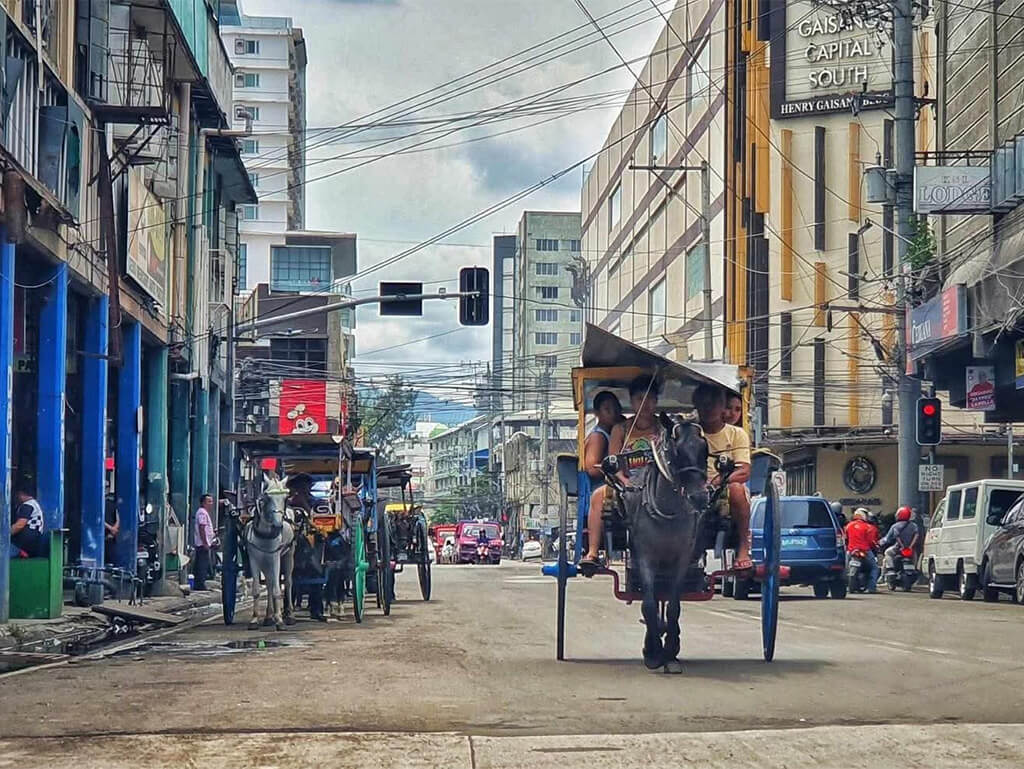
These caretakers not only navigate the streets but also embody a living connection to the city’s historical narrative, preserving stories and traditions that might otherwise fade into obscurity. Functionally, the tartanilla can be seen as a historical counterpart to the contemporary jeepney—once the dominant force in public transportation that shaped the daily rhythms of Cebuano life. Before the rise of motorized vehicles, these enchanting carriages served as the backbone of urban mobility, skillfully weaving through the evolving streetscapes of a bustling city filled with life, commerce, and community. Today, Cebu boasts a multitude of transportation options that reflect its dynamic urban growth, from modern buses to ride-hailing services. However, the tartanilla retains a unique cultural and experiential significance that cannot be overlooked in this rapidly changing environment. While it may be modest in speed compared to its motorized counterparts, riding in a tartanilla invites passengers into a rich narrative filled with history, tradition, and untold stories. It offers a distinctive engagement with the city, one that emphasizes memory and locality, encouraging riders to savor the experience rather than merely viewing transportation as a means to an end.
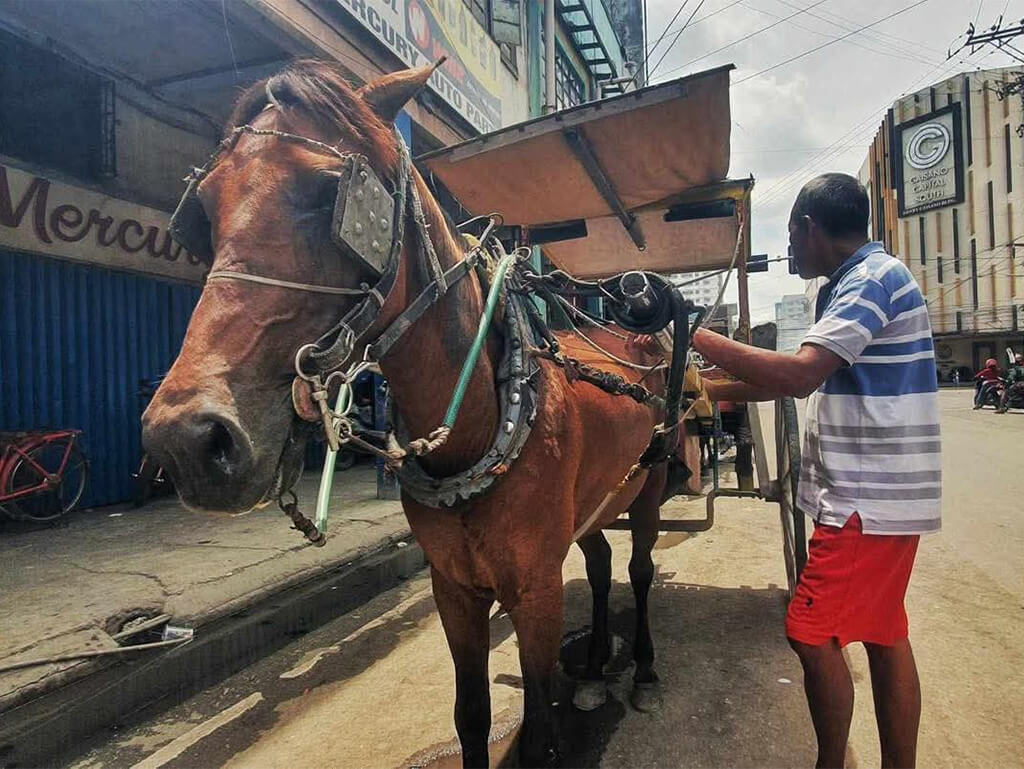
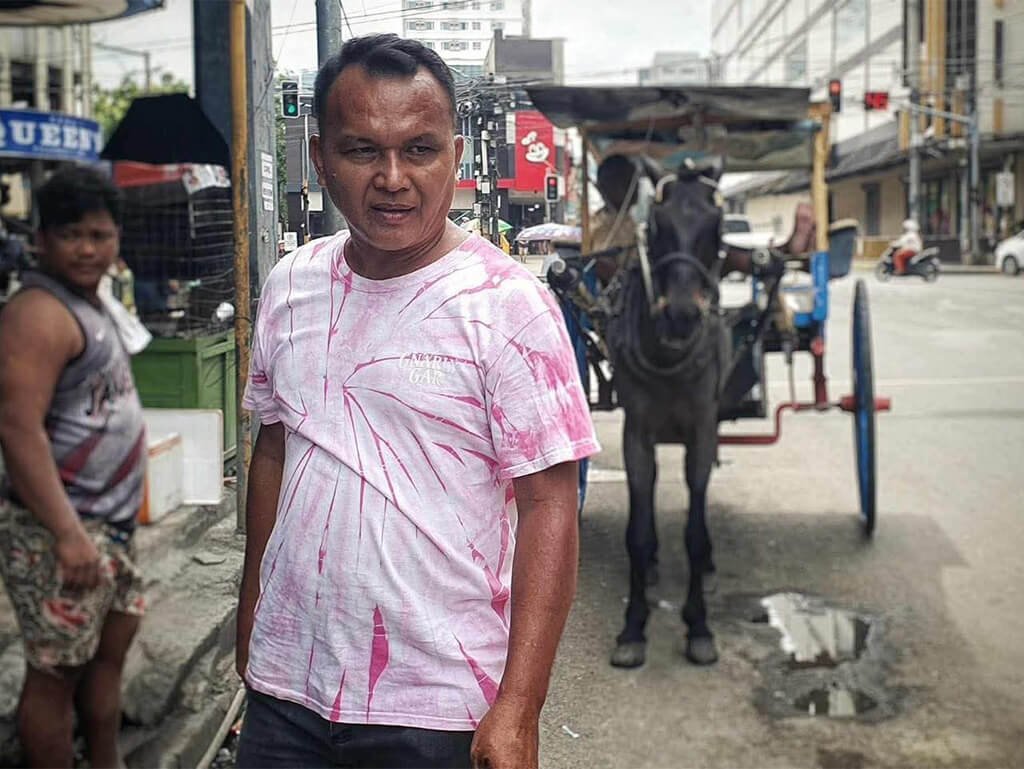
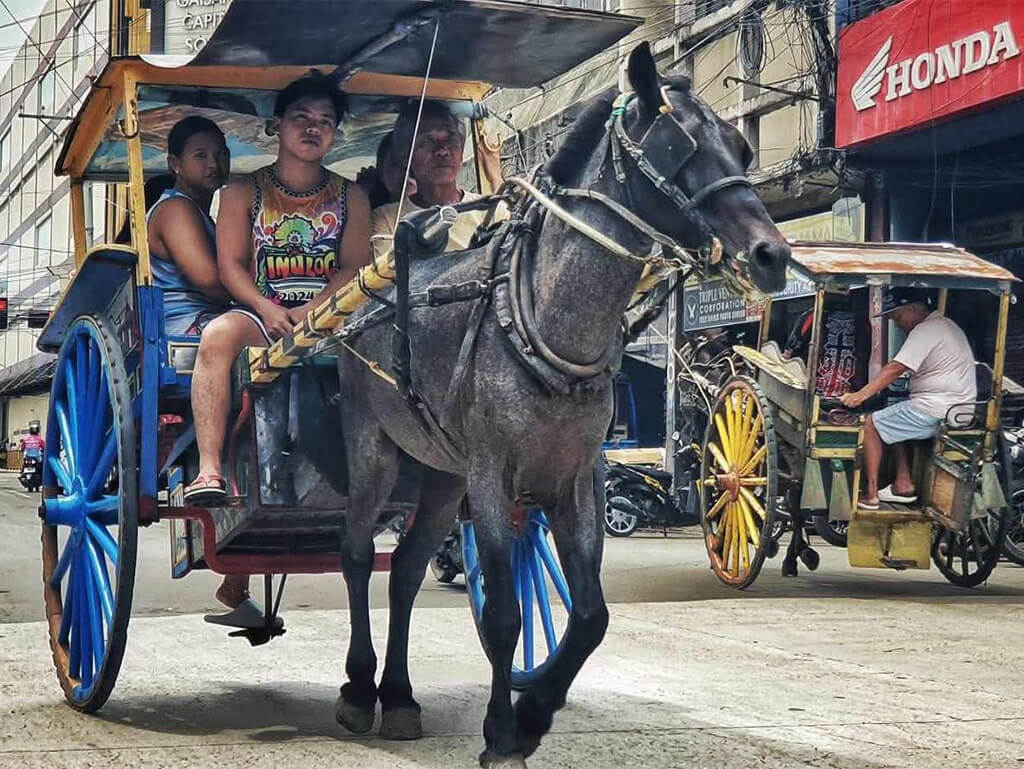
The design of the tartanilla sets it apart from similar horse-drawn carriages, such as the calesa commonly found in Manila. Its intimate configuration, featuring opposing benches, fosters a sense of communal closeness among passengers—a simple yet profound expression of connection that enhances the travel experience. This thoughtful arrangement mirrors the evolution of jeepneys, capturing a lineage of shared mobility that is deeply ingrained in Filipino culture, emphasizing the communal aspect of transportation rather than individualism.
Historically, tartanillas thrived along the streets of Cebu, their designs often adorned with intricate ornamentation and vibrant colors, serving as a dazzling reflection of local identity and craftsmanship—akin to the bold aesthetics seen in modern jeepneys. However, this once-vibrant mode of transport has experienced a stark decline in prevalence due to the changing demands of urban life. Factors such as the rise of swifter transport options, regulatory issues, and heightened sensitivity regarding animal welfare have relegated these beloved carriages to the fringes of the city. Today, it is estimated that only about a hundred tartanillas remain operational, a sobering statistic that highlights their dwindling presence in the face of rapid modernization.
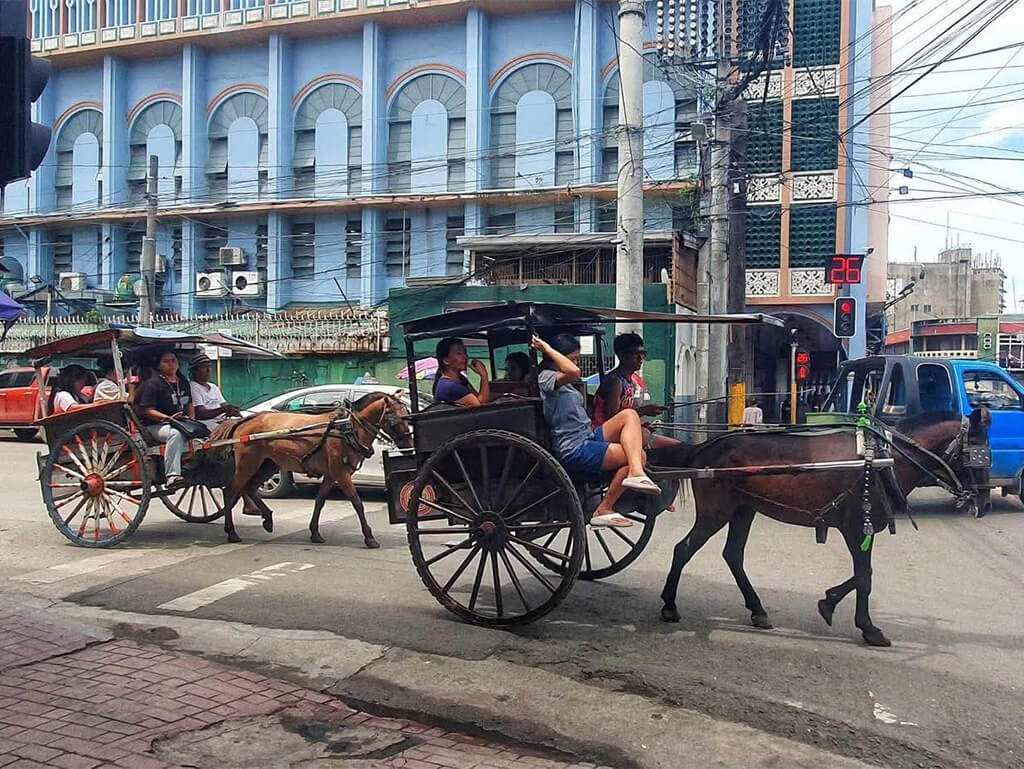
Currently, these carriages are largely confined to specific neighborhoods like Duljo, Tabo-an, and Pasil, where they occupy a more localized yet poignant role in the cultural landscape of Cebu. Key thoroughfares such as Leon Kilat Street, located in close proximity to the University of San Jose–Recoletos and the bustling Carbon Public Market, are among the few venues where these historic carriages continue to operate. Here, the tartanilla functions not only as a means of transport but also as a culturally enriching experience, providing both residents and visitors with a tangible link to Cebu’s multifaceted historical narrative that spans centuries. Despite their reduced numbers, tartanillas symbolize far more than mere remnants of a bygone era. They hold a significant place within the collective imagination of Cebu, intertwining the practical, the symbolic, and the experiential.
As vital elements of the city's heritage, they enrich the local tourism narrative, prompting thoughtful reflections on sustainability, memory, and the ever-evolving nature of urban life. A ride in a tartanilla today represents a deliberate engagement with a delicate yet resilient tradition—one that underscores the critical importance of preservation amidst the inevitability of change. In this light, the tartanilla transcends its role as merely a mode of transport; it serves as a moving archive, eloquently narrating Cebu’s cultural and historical journey while asserting its continued relevance in the contemporary urban landscape.
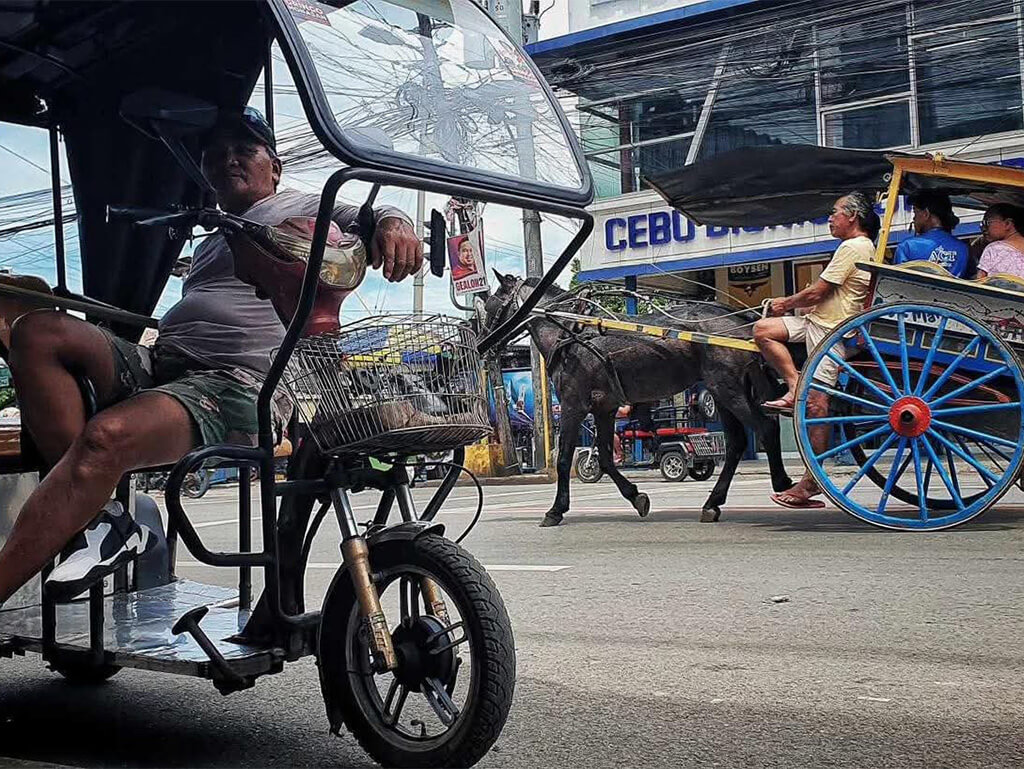
Cebu’s tartanilla culture represents a living connection between the past and the present, serving as a tangible reminder of the island’s colonial-era mobility and daily life. These horse-drawn carriages, once a primary mode of transportation, are not just functional relics; they are cultural artifacts that reflect Cebuano craftsmanship, social structure, and local identity. Their ongoing presence in certain areas of the city highlights a resilience of tradition in the face of rapid urbanization. In an age where modernization often diminishes slower, communal ways of life, the tartanilla acts as a symbol of continuity, evoking a rhythm of movement that is both deeply human and historically rooted. This cultural expression finds a fitting counterpart in the traditional Carbon Market, where aesthetics and heritage blend in a shared narrative of Cebuano livelihood. The visual appeal of the tartanilla—its intricate woodwork, vibrant colors, and nostalgic shape—mirrors the sensory richness of the market itself, characterized by crowded stalls, colorful produce, and a dynamic interplay of voices and textures. Together, they create a cohesive cultural landscape where movement and commerce are intertwined. When a tartanilla arrives at or passes through the Carbon Market, it reinforces a sense of place, positioning the market not just as a site of economic exchange but also as a stage where heritage is both performed and observed daily.
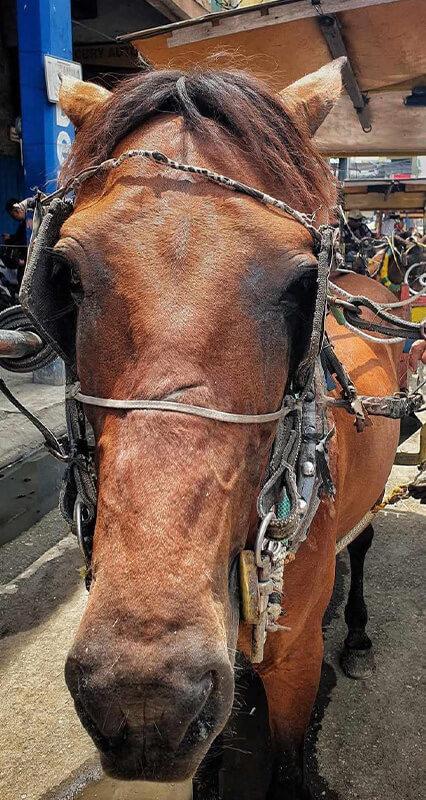
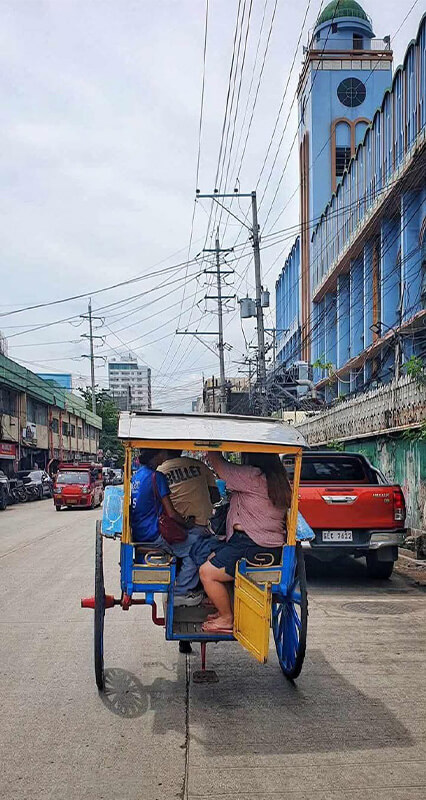
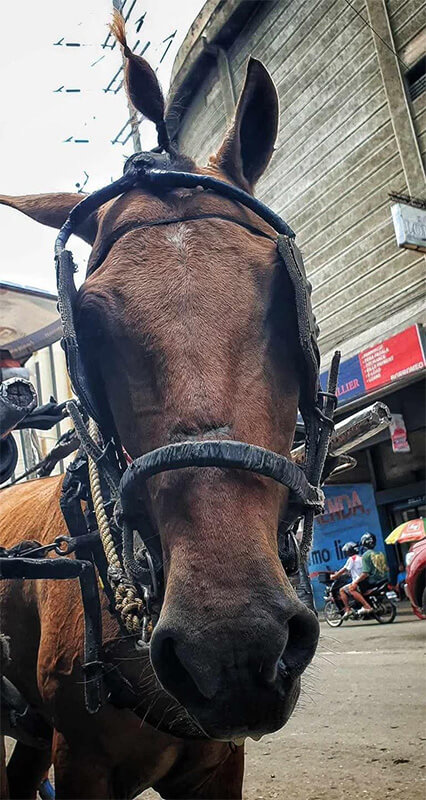
In the contemporary cultural heritage landscape of Cebu, both the tartanilla and the Carbon Market face pressures from redevelopment and changing economic priorities. However, their preservation offers more than just sentimental value; it presents an opportunity to sustain cultural identity in a rapidly globalizing environment. Integrating tartanilla culture into heritage tourism and urban planning can revitalize appreciation for local traditions while supporting the communities that uphold them. Additionally, maintaining the authenticity of the Carbon Market ensures it remains a living heritage site rather than becoming a commodified attraction. Together, they emphasize the importance of safeguarding not only physical spaces and objects but also the cultural meanings and practices that define Cebu’s unique historical narrative.