
From Studio To Reality
Written by Roy Ingente
The relationship between creativity and social well-being has long occupied a compelling place within artistic discourse. Throughout history, artists have often been recognized not only for their ability to create but also for their heightened sensitivity to the emotional complexities of everyday life and its betterment. Whether working through painting, sculpture, writing, music, film, or installation, many artists draw from experiences of joy, grief, uncertainty, longing, and resilience, transforming deeply personal encounters into forms that can be shared and understood by others.
Creativity, in this sense, becomes more than a means of production as it becomes a way of making sense of the world and one's place within it. Amid a period marked by social, cultural, and political uncertainties, a remarkable number of Fine Arts students-majoring in Studio Arts from the University of the Philippines - Cebu have recently presented their thesis exhibitions across Cebu and beyond, each offering distinct yet deeply personal reflections on memory, identity, belonging, and transformation.
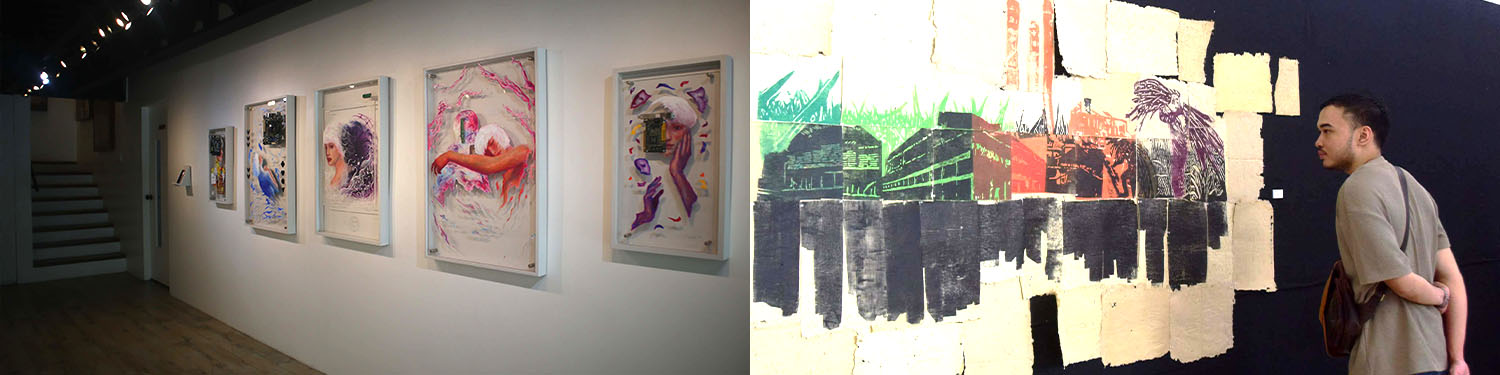
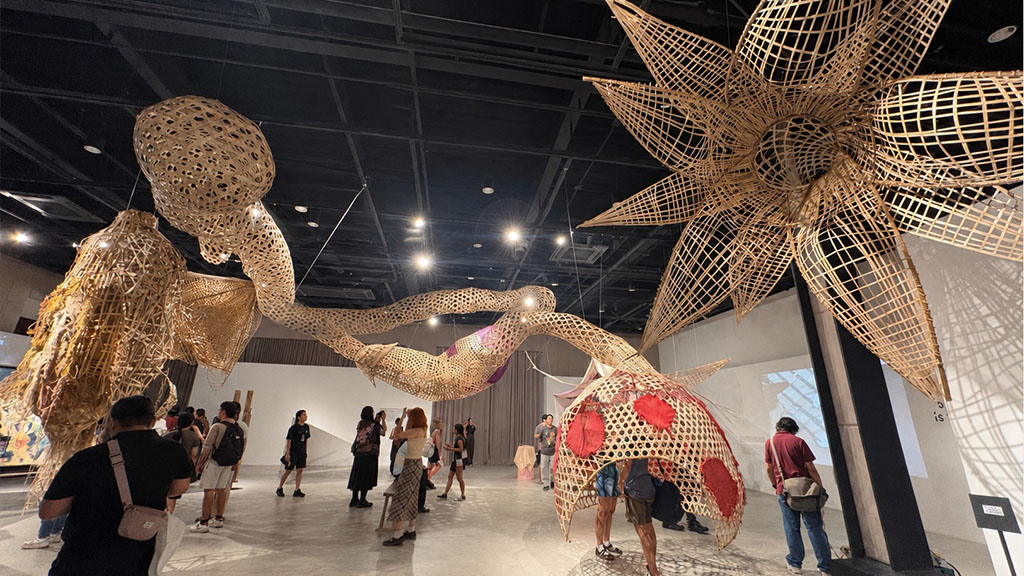
At The Kabilin Center, Van Gabud's bamboo installation revisits his family's experiences of farming and trade in the mountain communities of Cebu City, while Deya Java's experimental pigment-transfer works explore queerness as an inherent aspect of nature through the imagery of flowers. Bea Dolloso's tapestry-based works investigate the intimate bond between humans and their animal companions, incorporating the combined hair and fur of pets and owners into figurative compositions and stitched narratives.
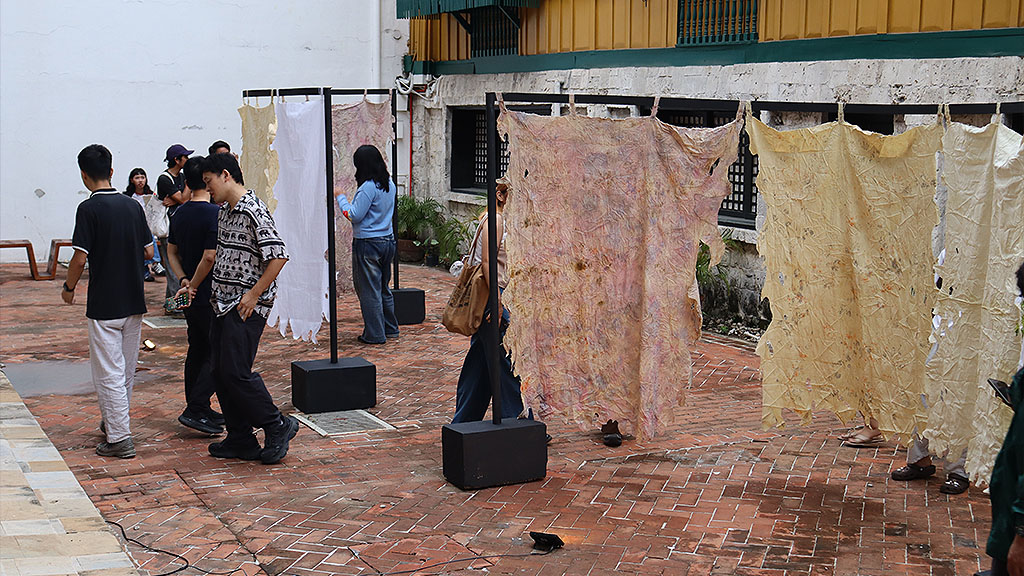
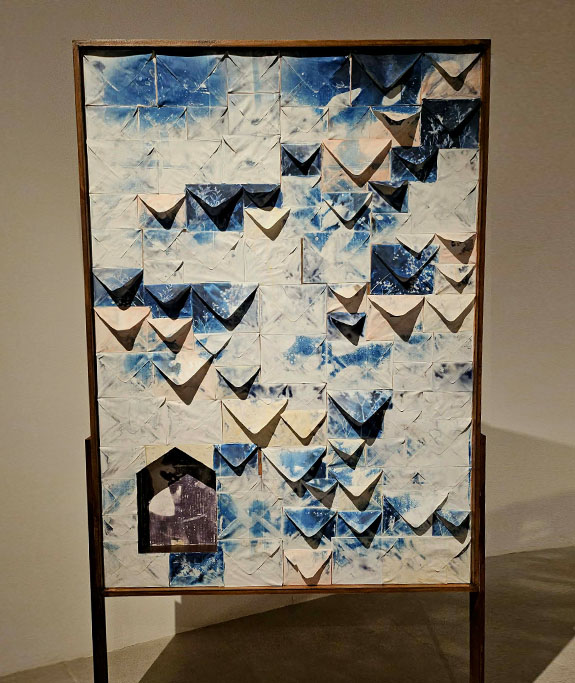
Another exhibit by Rami Boi reflects on childhood and selfhood through toys, play, and acts of recollection, while Isabella Salas employs cyanotype processes to navigate experiences of distance, separation, and familial longing. Phil Sevilla's rust-dyed textile installations, meanwhile, serve as poignant reminders of structures and spaces erased through demolition, preserving traces of communities shaped by loss and displacement.
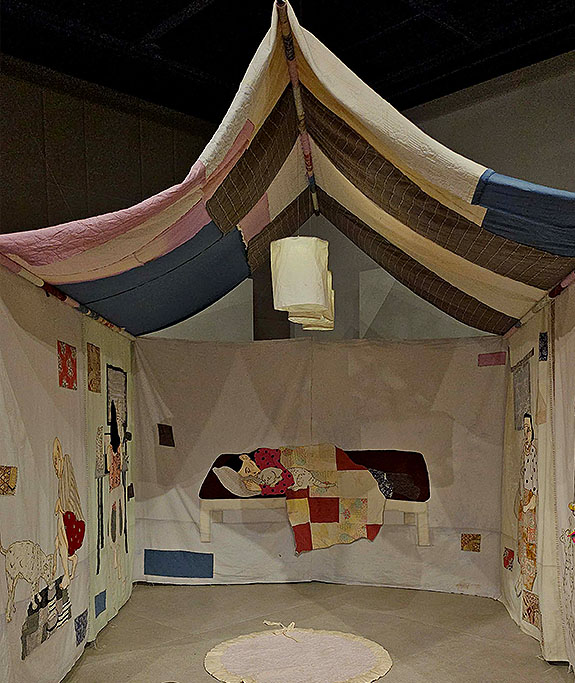
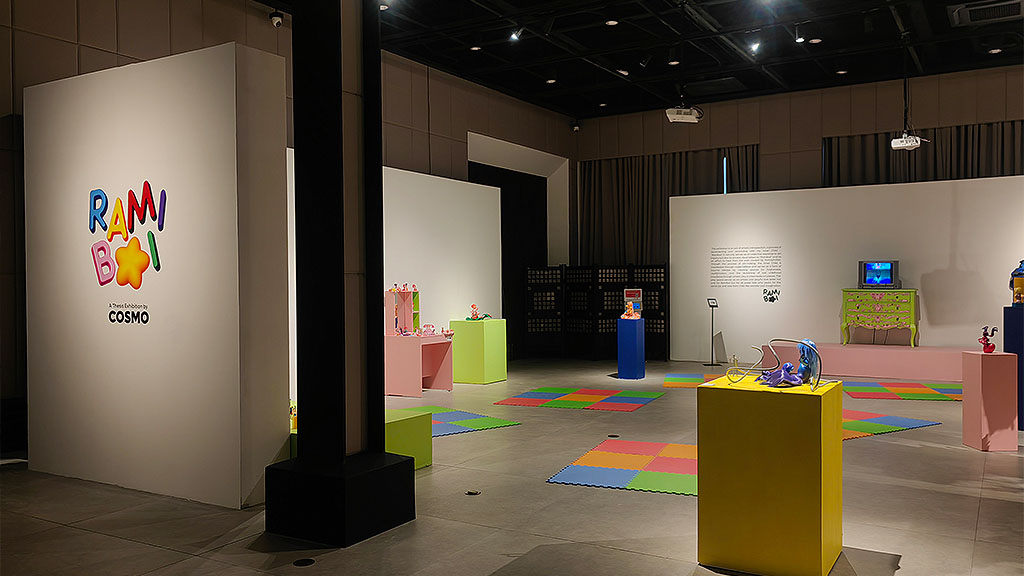
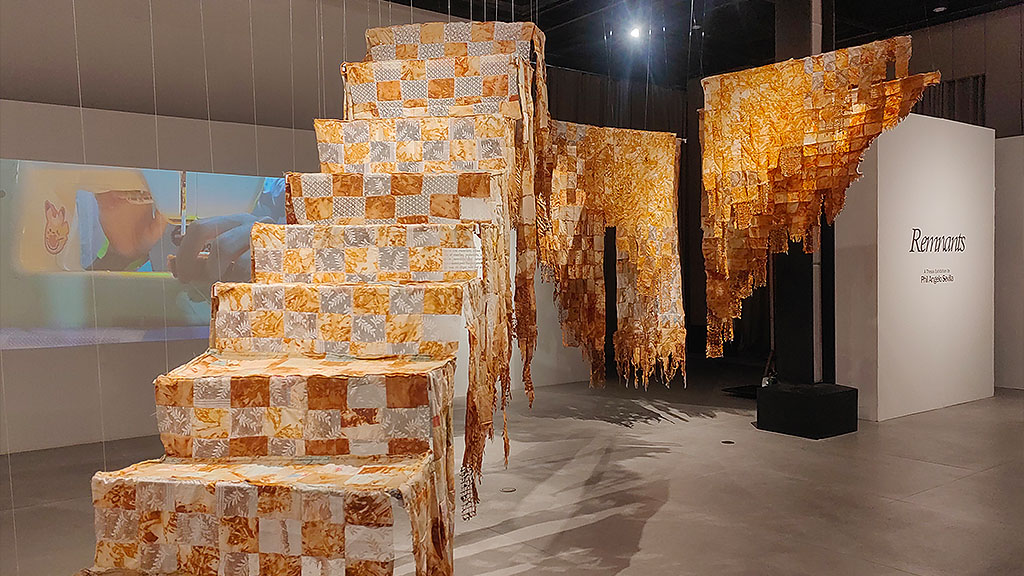
Beyond The Kabilin Center, these investigations continue to unfold across a range of exhibition spaces. At Galerie Inatú in Atuá Midtown Cebu, Dominic Ricardo advances a more overtly political discourse through his thesis exhibition. Under Qube Gallery PH, Jasper Villacin bridges traditional painting practices with augmented reality technologies to examine questions of identity and perception.
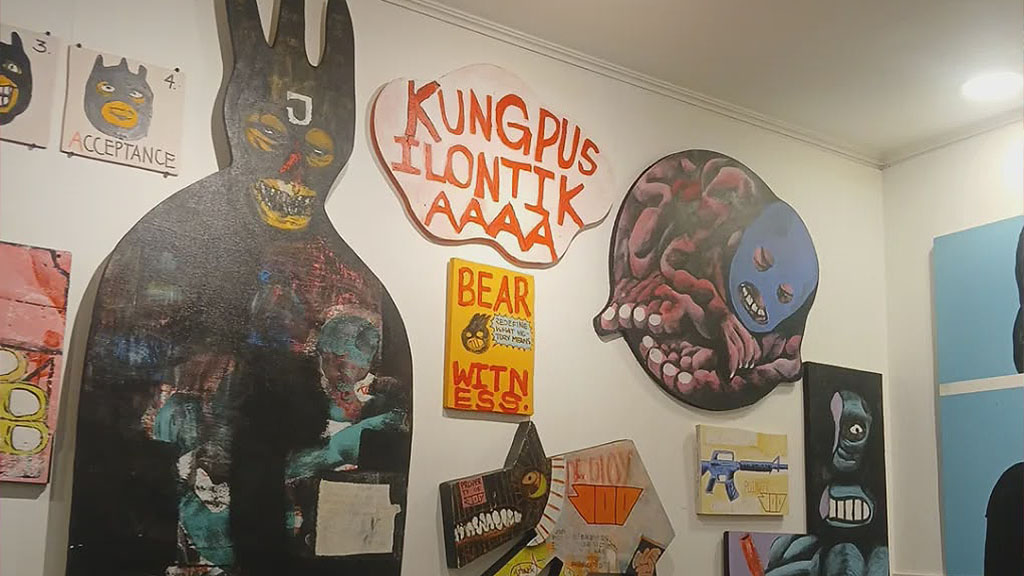
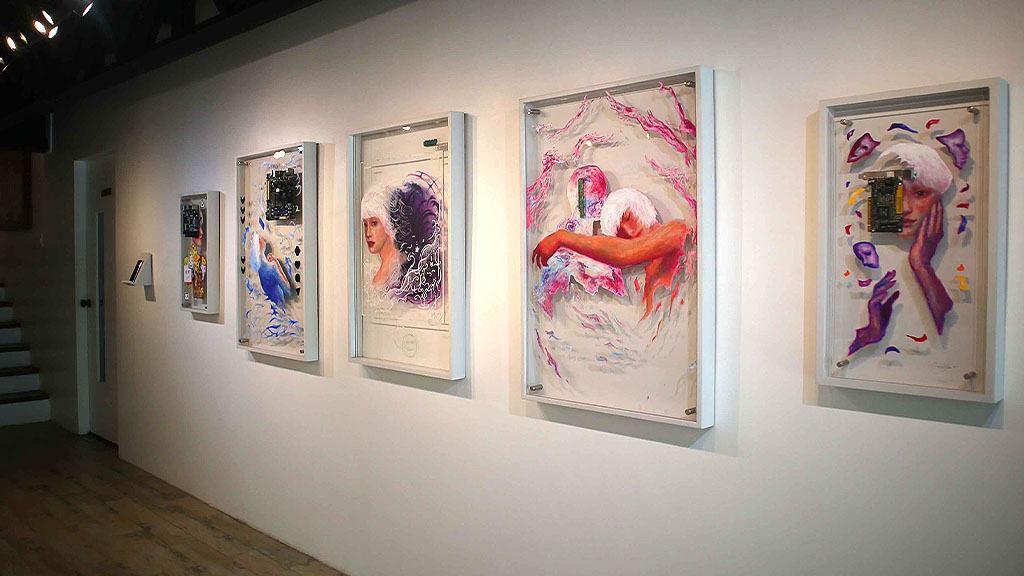
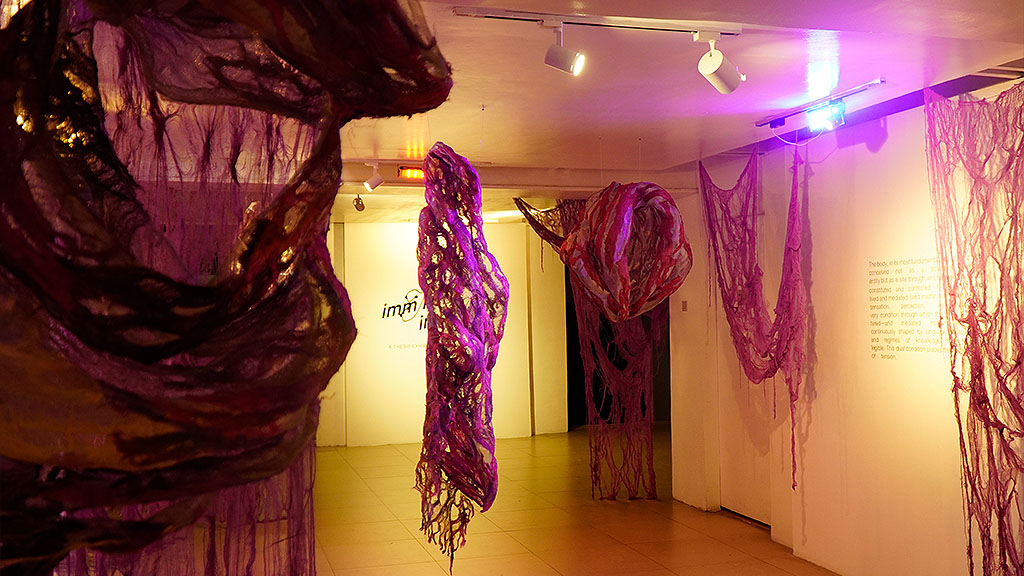
JM Valenciano's contemplative works, developed through collaborations with various communities and exhibited at The Negros Museum, emphasize shared narratives and collective memory. Annalyn Labra's sculptural exhibition AMUMA at Paseo Arcenas explores care, nurturing, and embodied experience, while Giela Ann Delleva's immersive biomorphic installations at the University of the Philippines Cebu's Joya Gallery invite audiences into speculative organic environments.
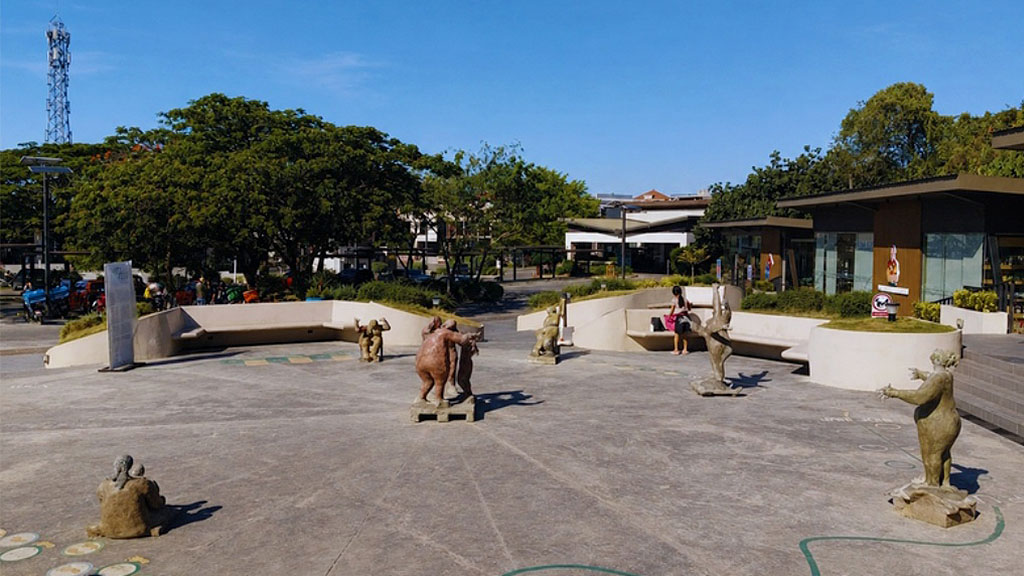
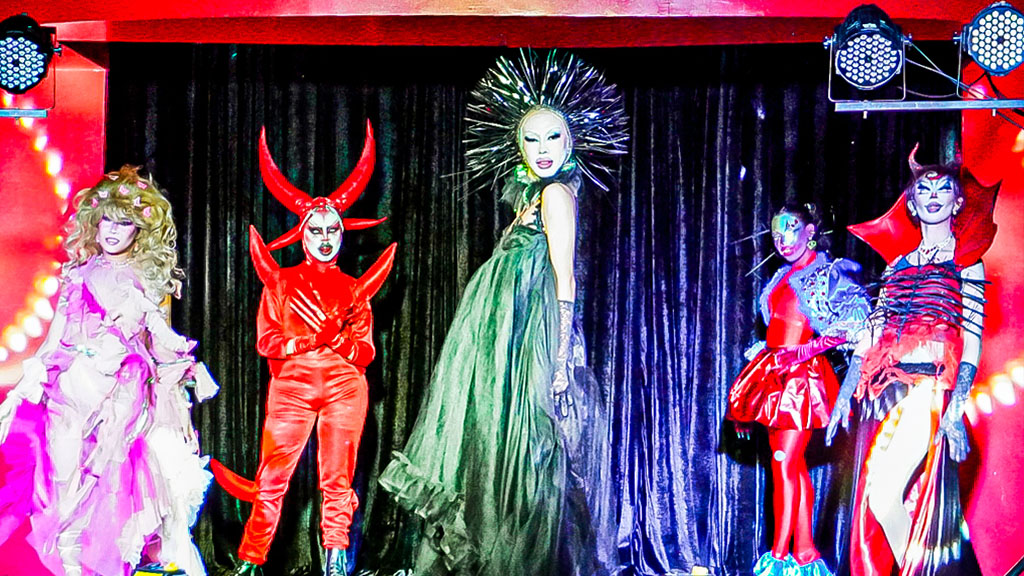
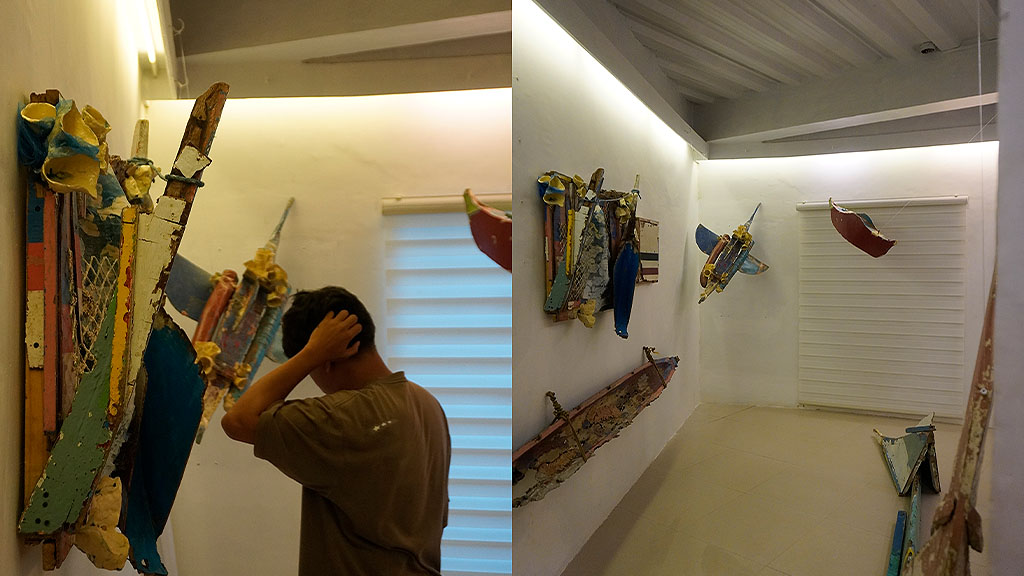
Another work by Ehd Aiken Calaguas presents wearable works for drag performance at Censored Cebu Bar, celebrating self-fashioning, performance, and queer visibility. Phine Gentallan’s BLACK BOX Exhibition explores the tradition between tradition and surveillance capitalism, an experiment on human’s will and freedom. Extending beyond Metro Cebu into the northern coastal communities, Candy Casinillo and April Burcila engage with maritime heritage through outdoor sculptures and assemblages constructed from remnants of fishing boats, foregrounding the enduring relationship between people, labor, and the sea. While each exhibition emerges from a unique artistic inquiry, together they reveal a common thread: the capacity of creative practice to give form to experiences that are often difficult to articulate. These works transform memories, anxieties, desires, and personal histories into tangible encounters, allowing private emotions to enter public space. Though presented as a requirement for academic completion, the projects of these artist-researchers also suggest the therapeutic dimensions of art-making.
When words fall short, artistic processes offer alternative languages through which complex emotional states may be explored and communicated. The studio, workshop, exhibition hall, and gallery become sites of reflection where vulnerability is not concealed but carefully examined. In this way, the value of these thesis exhibitions extends beyond their final forms. They remind us that creativity is not only a means of expression but also a process of endurance, self-discovery, and renewal—one that fosters resilience while deepening our connection to ourselves, our communities, and the worlds we inhabit.