
Cebuano Artists as Chroniclers of the Carbon Public Market
Written by Roy Ingente
Within the Cebuano imagination, space is rarely seen as something to restrain or leave alone. The Cebuano lifestyle is a culture that values emotional expression, sensuality, and shared experiences. What some might call excess is, in the Cebuano context, a way to express intimacy, memory, and belonging.
This sensibility relates to the Latin term horror vacui, which means “fear of empty spaces.” This term has historically described artistic styles that fill surfaces with intricate detail and busy visuals. However, in the Philippines, this idea goes beyond just aesthetics. It reflects a social condition, a psychological legacy, and a cultural instinct shaped by centuries of colonial encounters, communal living, celebration, and survival. Even at home, maximalism serves as a visual and emotional language. The objects people accumulate aren’t just for decoration; they hold memories, affection, migration stories, aspirations, and family ties. A Cebuano home often acts as a living archive—layered, improvised, deeply sentimental, and vibrantly alive.
What contemporary discussions refer to as Cebuano “maximalism,” horror vacui, or even “cluttercore” should be seen not as simple excess but as a form of care. For many older generations, emptiness suggests absence: hunger, displacement, insecurity, and loss. Filling space, therefore, becomes more than just a stylistic choice; it becomes an act of resistance against deprivation. Ornamentation shifts into a way to preserve emotions and reclaim abundance amid historical uncertainty. In Cebuano culture, affection is often shown through actions rather than words. This includes preparing feasts, decorating homes, preserving items, mixing colors, and creating warm, welcoming spaces. These collections symbolize effort, tenderness, and community. They help maintain a connection to home through the physical items, making fullness a core part of identity.
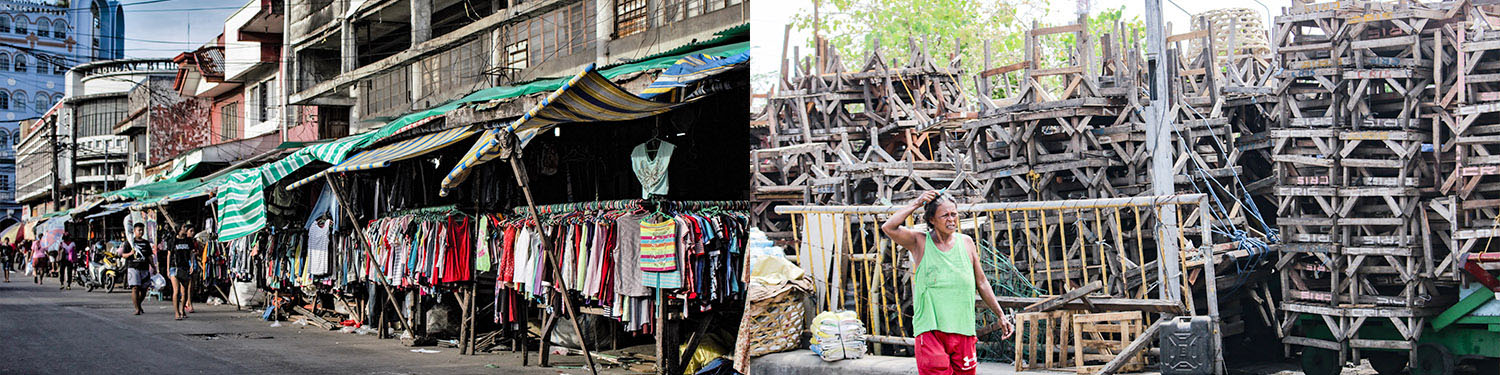
The tension between emptiness and accumulation is particularly evident in the historic Carbon Public Market in Cebu City, the vibrant cultural and economic center of Metro Cebu. Carbon is not just a market; it is a living entity, an urban stage where trade, migration, work, rituals, and everyday survival blend together in a constantly changing spatial dance. The beauty of fullness is clear here: busy stalls overflowing with produce, makeshift signs, layered tarps, tangled wires, bright textiles, and the constant flow of people navigating narrow aisles. Today, however, Carbon Market faces aggressive redevelopment and urban "beautification" efforts led by both private companies and state plans for modernization. These efforts often frame the market using neo-colonial standards of order, cleanliness, and efficiency, labeling it as "unsightly," "unsustainable," or "underdeveloped." Yet these narratives overlook the fact that Carbon’s so-called disorder is what makes it culturally significant. Its visual chaos, improvised architecture, and rich material conditions are not signs of failure but represent a living heritage shaped by resilience, adaptation, and community life. In the Carbon Market, the fear of emptiness shows itself as a rejection of sterility. Every filled corner, every collected item, and every makeshift addition reflect an ongoing struggle between survival and belonging. Cleaning up these spaces for the sake of global aesthetics risks erasing the very memories and humanity tied to them. Carbon’s maximalist culture is not just visual clutter; it serves as an archive of Cebuano life, constantly rewritten through movement, labor, and personal experiences.
In these crucial times, when the public faces a choice between "cleansing" the Carbon Public Market and preserving its raw authenticity, it is vital to turn to artists as important cultural observers. Artists have a unique talent for documenting and expressing the value of everyday life—the domestic, ordinary, and often overlooked aspects that quietly resist the pressures of globalization and foreign ideals of urban modernity.
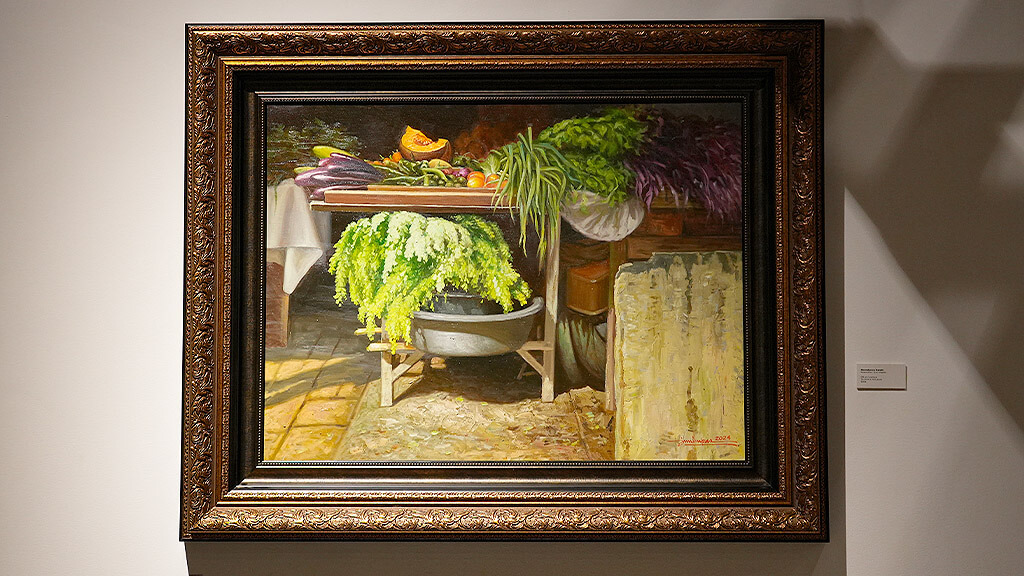
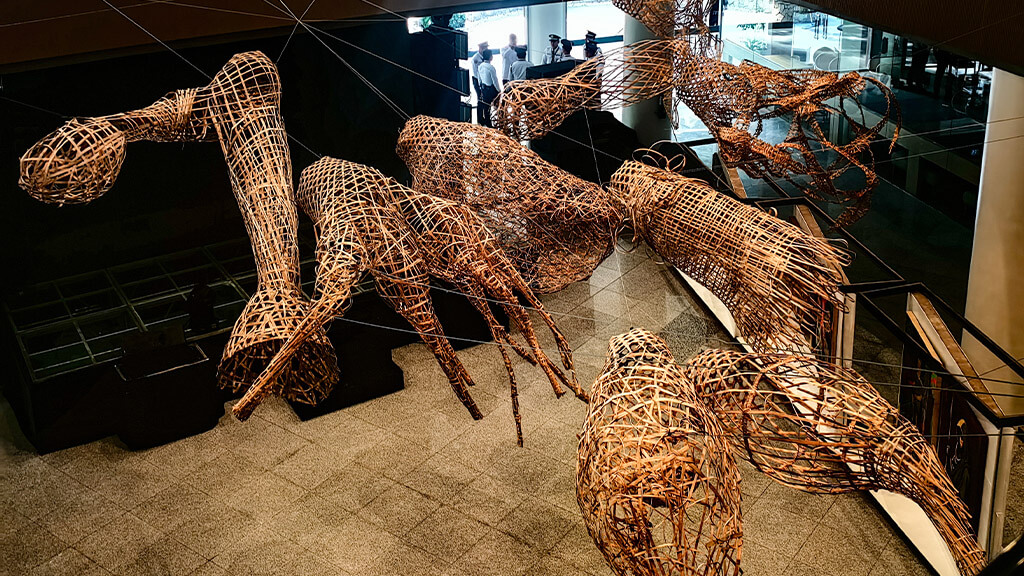
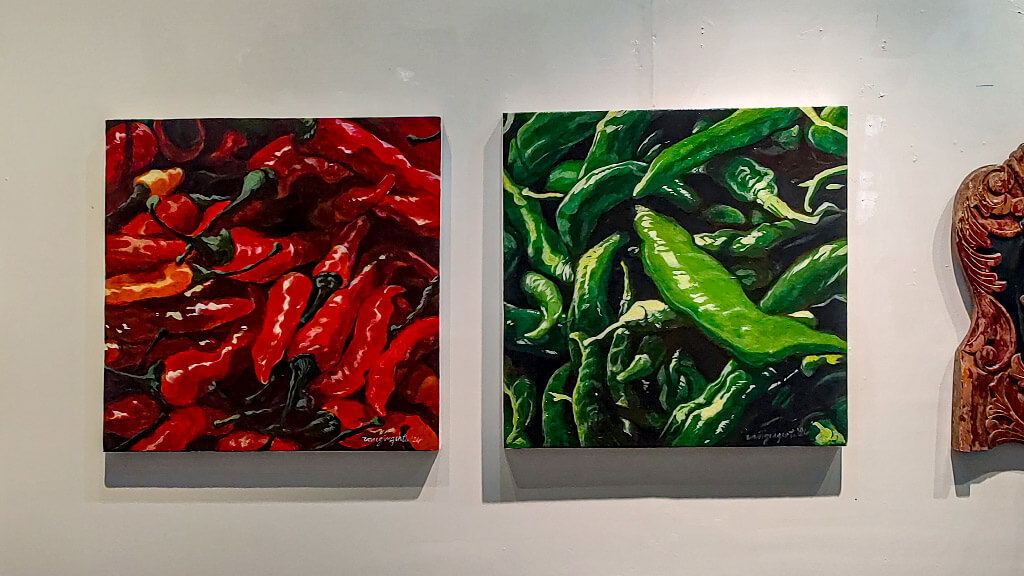
Cebuano visual artist Florentino 'Jun' Impas, through his work Abundance Awaits, provides a realistic depiction of the market environment, highlighting the dignity and vibrancy of fresh vegetables under natural light. In its simplicity, this work serves as a tribute to abundance grounded in local and everyday labor. Meanwhile, museum assistant and artist Riva Ingente highlights the closeness of familiar items through her detailed paintings, including large images of bulad (dried fish) and the spices essential to Cebuano cuisine. Her art encourages viewers to rethink these everyday objects, prompting contemplation not only on the materials but also on the unseen hands and traditions that prepare and support them. Likewise, Jovan Gabud creates a reflective space in his installation where audiences can consider the links between land, family, memory, and work. Drawing on his family’s farming experiences in the hilly areas of Cebu City, his work highlights the enduring bakat, the humble bamboo basket, as both a physical object and a cultural symbol of resilience, usefulness, and continuity.
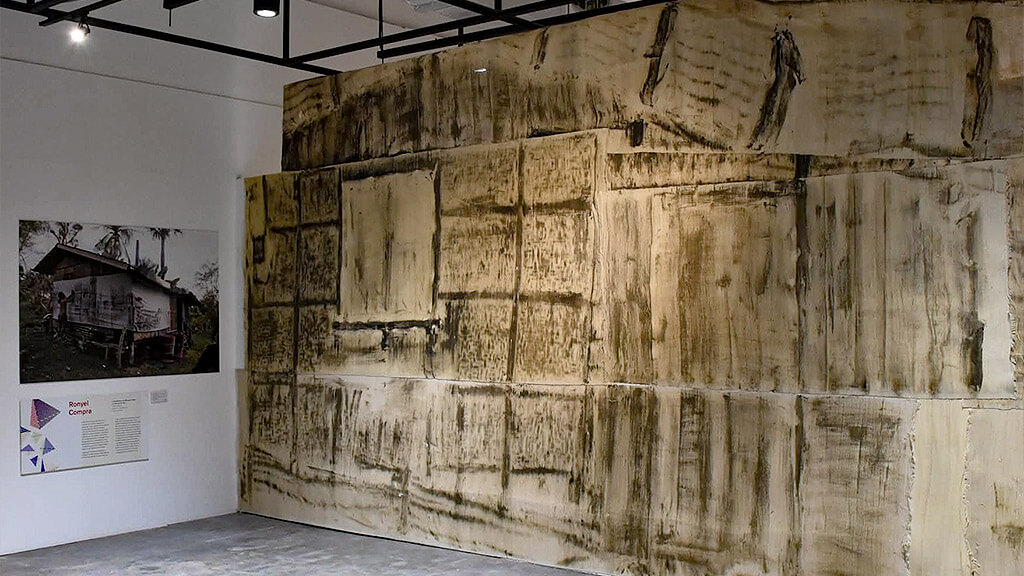
Documentation of the urban and rural landscape of Cebu has been central to the works of multidisciplinary artist, Ronyel Compra. From video projections, assemblages and performance, and his exploration of material and various mediums, Compra has risen not only his stature in the art scene but also the representation of the Cebuano Identity in his vast body of work.
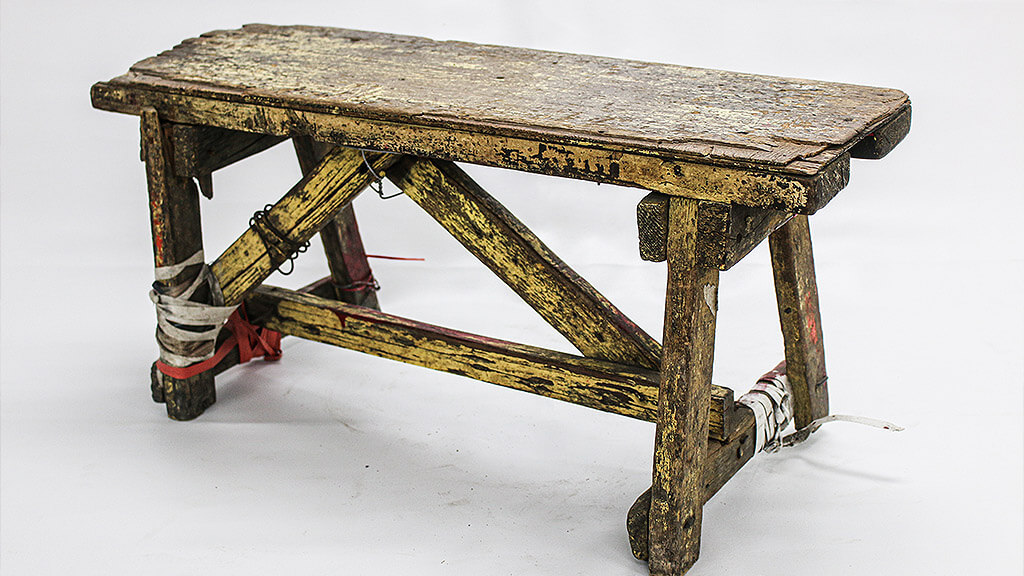
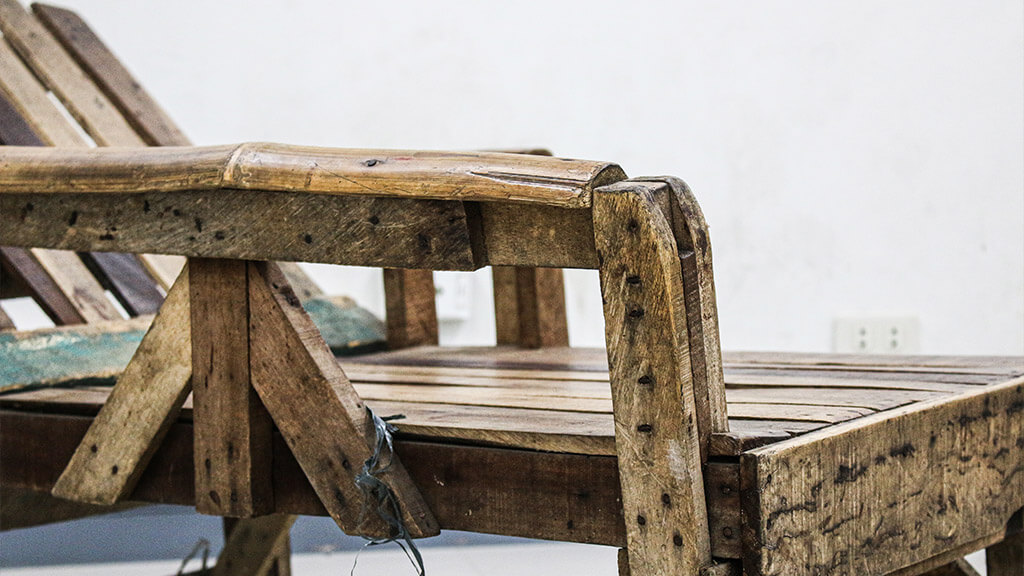
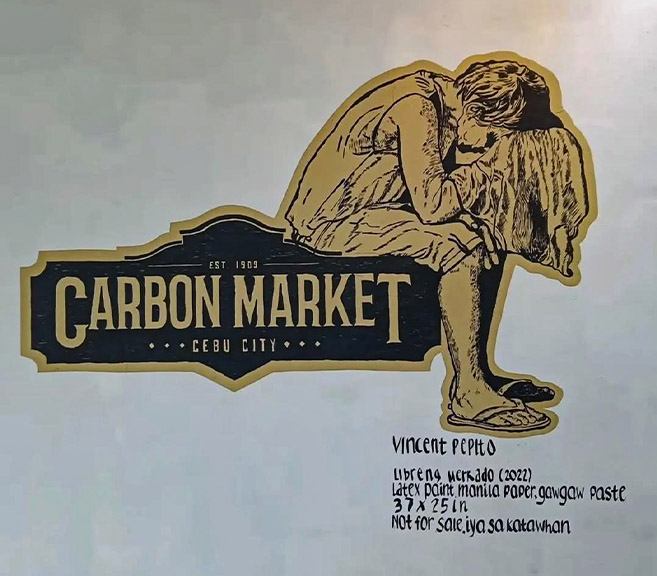
In his study, Humble Objects, Professor Jay Nathan Jore investigates the quiet creativity in the makeshift craftsmanship of bangkito makers and vendors in the Carbon Public Market. His research shows how necessity, limited space, and biases about "downtown aesthetics" lead to subconscious creativity and adaptive design. Similarly, artist-activist Vincent Pepito incorporates figures and scenes from the market into simple but impactful artworks that showcase the realities of marginalized communities, whose lives remain intertwined with the market’s social fabric.
In Cebu’s contemporary art scene, artists continue to address the ongoing debate about the Carbon Public Market not just as an issue of urban development but as a matter of ethics and culture. These artists, among many others, work to prevent the loss of Carbon’s aesthetic and historical importance while also supporting the communities and livelihoods that energize its ecosystem.
These artists are nurturing a form of revolution that rejects aggression, violence, and confrontation. Instead, they focus on cultural awakening and collective appreciation. This quieter but deeply transformative process encourages the public to acknowledge the richness that the Sugbuanon community has long held within its own surroundings. Through years of hard work, theoretical study, and ongoing creative practice, they use fine art to raise public awareness, redefining Carbon not as an urban issue to fix but as a complex cultural area deserving of respect and preservation.
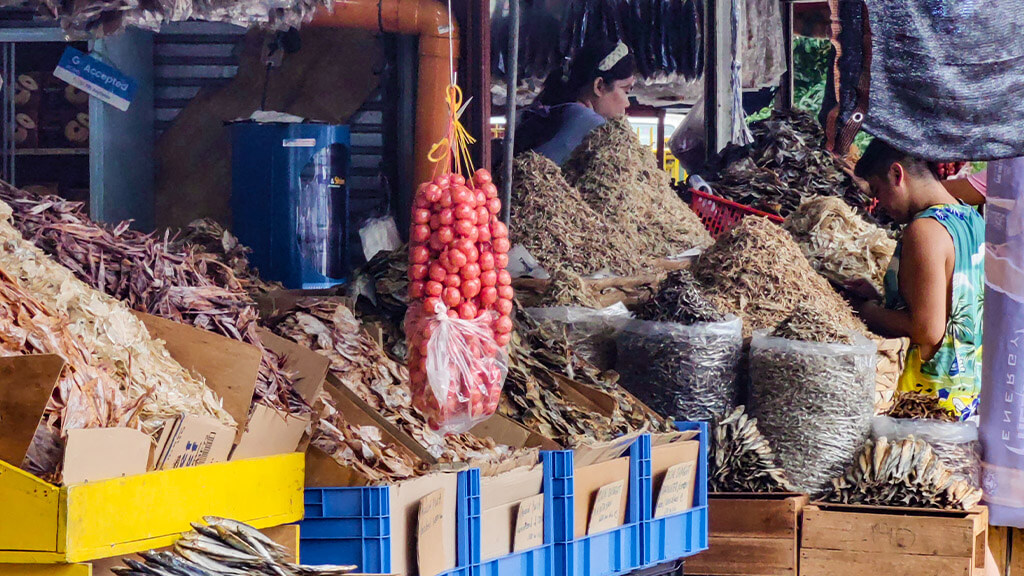
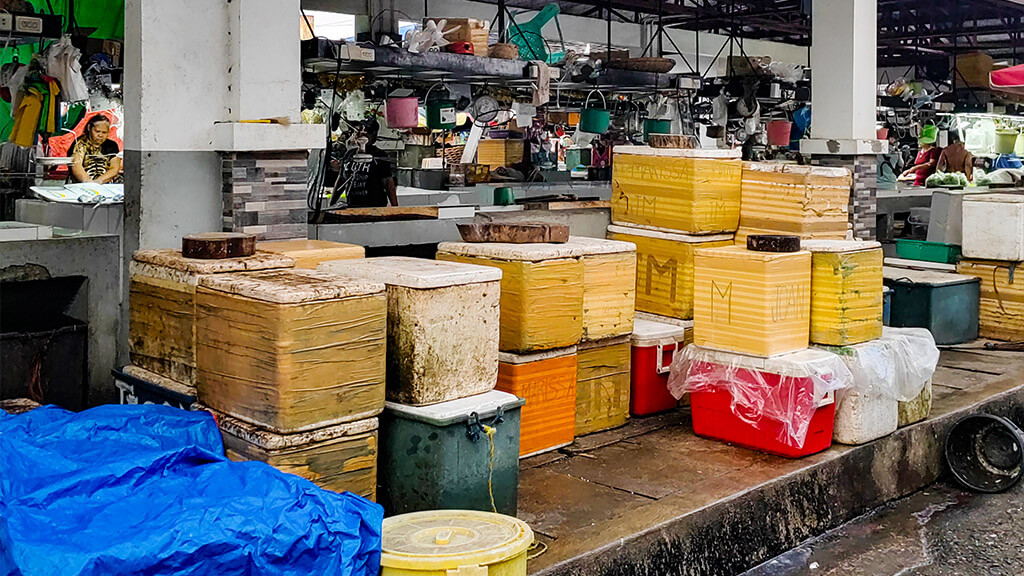
Under the guise of “development” and “beautification,” institutions often commercialize the district, turning it into a site for potential profit while dictating how the public should feel about urban spaces. The narrative of “progress” is carefully crafted to foster excitement about sleek infrastructure and controlled environments while projecting discomfort onto areas labeled “informal,” “chaotic,” or “slum-like.” These views reflect the ongoing impact of neo-colonial ideas that link order with value and sterility with civilization.
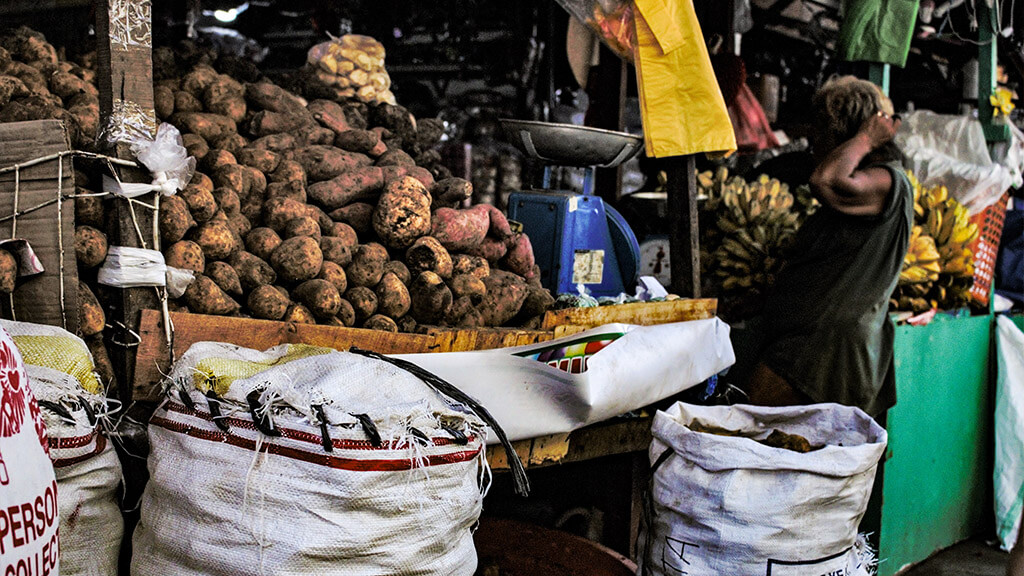
Maximalism, in this setting, goes beyond a mere aesthetic choice. It serves as a statement of presence, resilience, and freedom, allowing people to shape life based on lived experiences rather than imposed systems of control. Embracing localization and informality is not a sign of regression but a celebration of a unique Cebuano identity. The desire for highly regulated, planned urban living should not require erasing organic cultural expression. There is no shame in informality or in the rich visual layers that make up Cebuano life. In fact, Cebu’s cultural vitality has thrived independently of imported, neo-colonial ideals of urban beauty and modernization.